Culture of Equality 1: Meeting disabled people
The first guide lays the foundation for the whole series: who disabled people are, how society’s view of disability has changed, and why cultural institutions need to change attitudes first and buildings second.
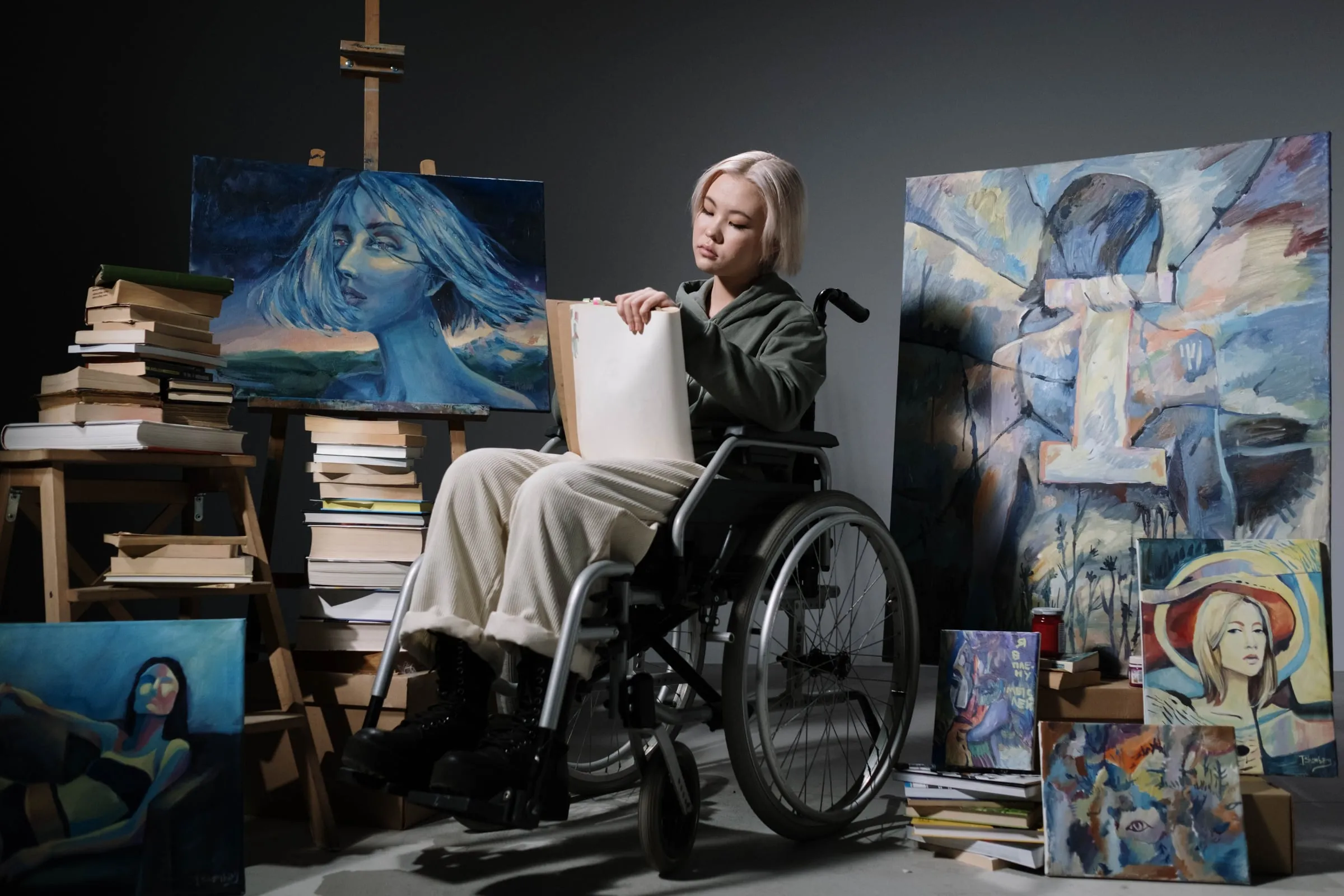
The first guide lays the foundation for the whole series. It looks at who disabled people are, how society’s view of disability has changed, and why cultural institutions need to change attitudes first and buildings second.
What still applies
From pity to rights. For a long time disabled people were seen as recipients expected to show gratitude rather than make choices. The guide describes the shift to a view in which they are citizens with equal rights who make their own decisions about their lives and contribute to society.
Disability is more common than we think. Much disability is not visible. Many people do not identify as disabled, and they have every right not to. So an institution should not try to guess who is disabled, but remove barriers for everyone.
There is no single “community”. Disabled people are present in every role: as historians, library researchers, art students, exhibition visitors. Their identity is not defined by disability alone.
The barrier is in the environment. The guide explains the social model of disability through a well-known example. A wheelchair user cannot enter a building not because they use a wheelchair, but because there are steps at the entrance.
Ask about needs, not diagnosis. When providing a service, it is enough to ask: “Do you have any access needs?” The cause of a disability is rarely relevant.
Visibility shows on the shelves, too. If all the material on disability in a library is filed only under “health”, and never under art or politics, that also sends a message.
What has changed
When the guide was written, Serbia was preparing to ratify the UN Convention on the Rights of Persons with Disabilities. It did so in 2009. Estimates have changed too: according to the World Health Organization, around 1.3 billion people today, roughly one in six people worldwide, live with significant disability.
A question for your institution
Would a disabled person recognise, in your exhibitions, catalogue or promotional materials, that they are expected as a visitor?
Next: Getting to know disabled people, practical advice for the first encounter.
About the series: Culture of Equality: a series on guides for accessible cultural institutions.