Culture of Equality 5: Inclusive information
The fifth guide is about information: signs, leaflets, catalogues, the website and event announcements, and how everyone can find out in advance what they need for a visit.
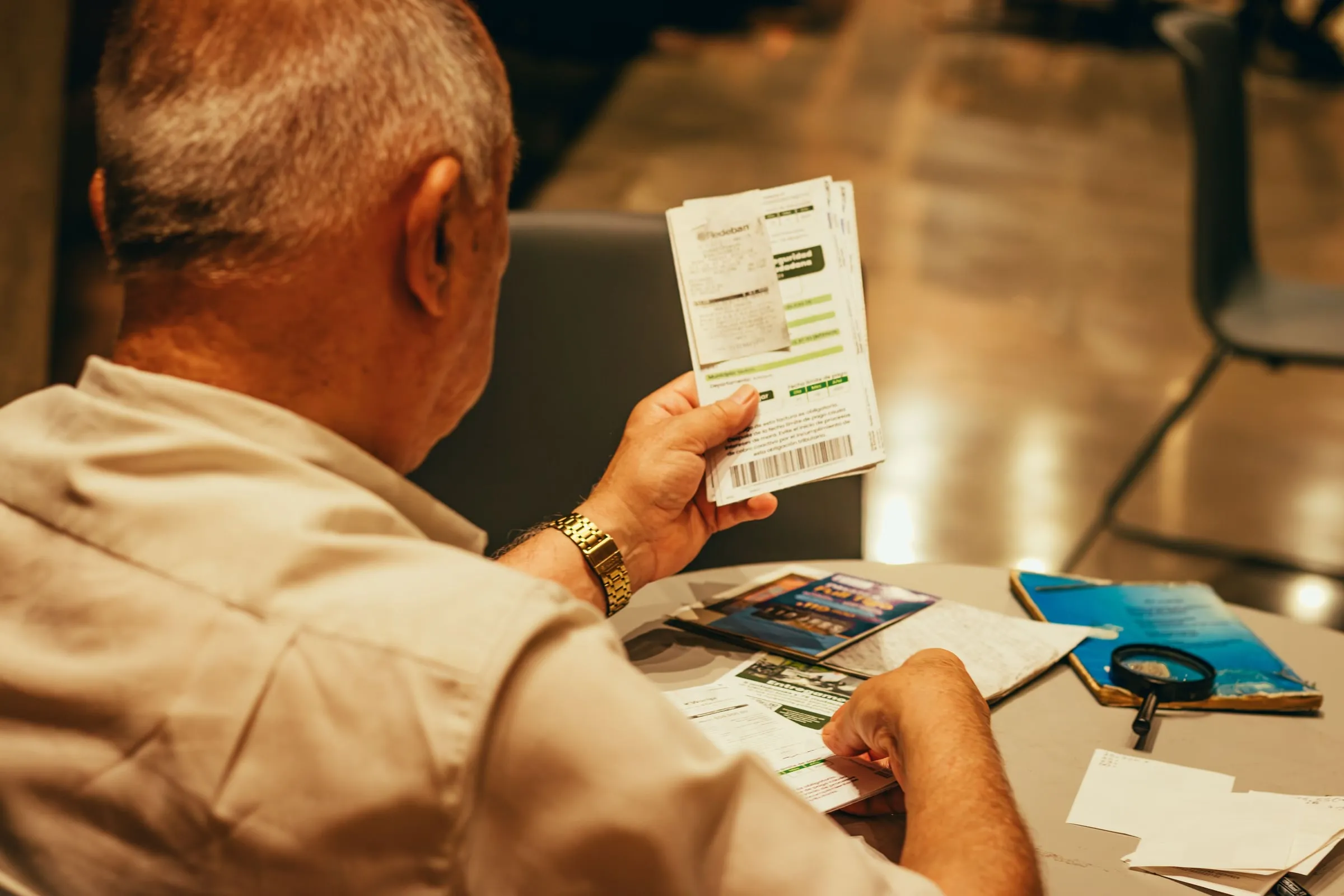
The fifth guide is about information: signs, leaflets, catalogues, the website and event announcements. It starts from an experience disabled people often describe: they could not plan a visit because they could not find out in advance what they needed to know.
What still applies
One oversight is enough. Information is prepared by a chain of people: author, editor, designer, printer, marketing department. It only takes one of them to overlook the needs of disabled people for a barrier to appear. That is why the guide suggests that an institution should have an information access policy and plan, with deadlines, a responsible person and a review date.
Print that can be read. The guide notes that two out of three visually impaired people can read large print, and that such an edition is easy and cheap to produce. Recommendations have since become stricter: the UK Association for Accessible Formats (UKAAF) now asks for at least 12 and ideally 14 point for everyday texts, and at least 16, ideally 18 point for large print. The size of lettering on boards and signs depends on the distance from which they are read. Sans-serif fonts, matt paper, text not printed over images and good contrast also help, and contrast can now be measured: the WCAG guidelines require a contrast ratio of at least 4.5:1 for regular text.
Write as you speak. Short sentences, familiar words and addressing the reader directly are clear to everyone. Abbreviations should be explained the first time they appear, text should be aligned left, and bold rather than italics should be used for emphasis. This is no longer just good advice: since 2023 there has been an international standard for plain language, ISO 24495-1.
Different formats, on request. There is no need to print a pile of Braille copies in advance; an electronic version that can be printed on request is enough. The same goes for an audio recording or a large-print edition. The guide suggests that an institution simply ask the people on its mailing list in which format they would like to receive information.
Book support in good time. There are few sign language interpreters and other communication support workers, so they should be booked at least several weeks before an event. Better still, invite deaf artists and speakers to lead workshops or tours in sign language themselves.
Access information is part of the announcement. An access guide with objective information (parking, entrance, lift, assistance offered, available formats) allows a person to decide for themselves whether and how to come. It should be available at reception and on the website. Every event announcement should include access information, and it is worth asking participants on the registration form whether they have any access needs.
What has changed
The Serbian Sign Language Act, which the guide anticipated as a draft, was adopted in 2015 as the Law on the Use of Sign Language. Audio cassettes and fax have been replaced by email, podcasts and QR codes on signs that open an audio description. The biggest change is that information is now published mainly on websites and social media, where the same rules apply: alt text for every image, captions on videos, and hashtags in which every word starts with a capital letter (#CultureOfEquality), so that screen readers pronounce them correctly. Phones have built-in screen readers and automatic captions, and AI tools also offer automatic image descriptions. This helps, but automatic captions and descriptions in Serbian still make mistakes, so they should be checked before publishing. For people with learning disabilities, a European easy-to-read standard has been developed: in 2010 Inclusion Europe published rules and a logo, which may be used only if at least one person with a learning disability has read the text and confirmed that it is easy to understand.
A question for your institution
Can a disabled visitor find out before they arrive, from your website or a leaflet, whether they can get in, where to park and whom to ask?
Next: Using technology, when technology removes barriers and when it creates new ones.
Previously: Culture of Equality 4: Accessibility checks and audits. About the series: Culture of Equality.